
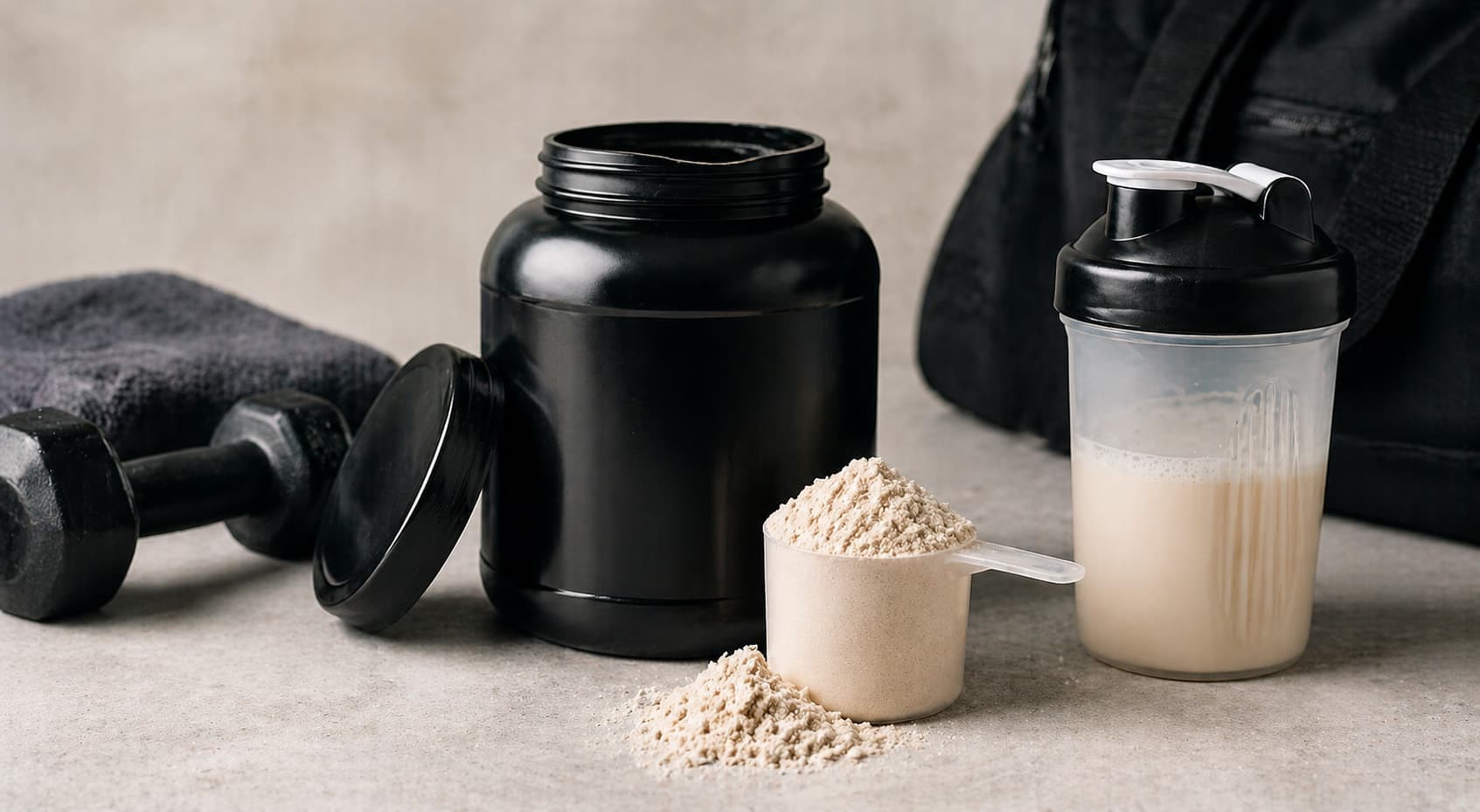
Le whey protein sono tra gli integratori più usati al mondo. Per alcuni sono indispensabili, per altri inutile marketing. La verità, come spesso accade, sta nel mezzo.
Le whey non sono magiche e non sono obbligatorie. Sono semplicemente una fonte pratica di proteine ad alta qualità biologica. In alcuni casi possono aiutare molto. In altri non servono quasi per nulla.
Se prima vuoi capire quante proteine ti servono davvero nel tuo caso, puoi iniziare dal piano gratuito Nutryon: crea il tuo piano per la massa muscolare.
Cosa sono le whey protein
Le whey protein derivano dal siero del latte, una componente naturalmente presente durante la produzione casearia. Vengono filtrate e trasformate in polvere proteica facilmente utilizzabile.
Le forme più comuni sono:
- concentrate: meno filtrate, ottimo rapporto qualità/prezzo, quantità moderate di lattosio
- isolate: più filtrate, meno lattosio, più adatte a chi ha sensibilità digestive
- idrolizzate: pre-digerite, assorbimento rapido, spesso più costose senza benefici aggiuntivi per la maggior parte delle persone
Per la maggior parte degli utenti, concentrate o isolate sono già più che sufficienti.
A cosa servono davvero
Le whey servono a una cosa principale:
Raggiungere più facilmente la quota proteica giornaliera.
Non costruiscono muscolo da sole. Non fanno dimagrire da sole. Non sostituiscono allenamento o dieta. Sono uno strumento di praticità, non una soluzione indipendente.
Quando possono essere molto utili
1. Hai poco tempo per preparare pasti proteici
Uno shake richiede pochi secondi e può fornire 25–30 g di proteine di alta qualità.
2. Fai fatica a raggiungere le proteine con il solo cibo
Molte persone credono di mangiarne abbastanza, ma restano costantemente sotto il target. Leggi: proteine per dimagrire: guida completa.
3. Post-allenamento quando sei fuori casa
Praticità elevata: nessun pasto da preparare, nessun rischio di saltare l'apporto proteico nel momento importante.
4. In fase di dimagrimento con calorie controllate
Alte proteine con poche calorie è una combinazione che le whey gestiscono bene — circa 100–120 kcal per 25 g di proteine.
Quando non servono davvero
1. Arrivi già facilmente al target proteico con il cibo
Se con la tua alimentazione normale riesci a raggiungere 1.6–2.2 g/kg di proteine senza fatica, le whey non aggiungono nulla di rilevante.
2. Le compri pensando che siano "miracolose"
Non lo sono. Uno shake extra non compensa deficit di allenamento, calorie eccessive o sonno scarso.
3. Hai la dieta disorganizzata e cerchi scorciatoie
Prima si sistemano le basi reali — calorie, proteine dal cibo, qualità dei pasti. Le whey vengono dopo.
Le whey aiutano a mettere massa muscolare?
Indirettamente sì.
Non perché abbiano proprietà superiori a qualsiasi altra fonte proteica di qualità, ma perché facilitano la costanza nell'apporto proteico totale — che è il fattore che conta davvero.
Per la crescita muscolare contano soprattutto:
- surplus calorico corretto (250–350 kcal sopra il TDEE)
- proteine totali adeguate (1.8–2.2 g/kg)
- allenamento progressivo e strutturato
- recupero e sonno
Approfondimento: come aumentare la massa muscolare con l'alimentazione
Le whey aiutano a dimagrire?
Da sole no — non bruciano grasso.
Possono però supportare il dimagrimento perché:
- saziano bene a basso costo calorico
- aiutano a preservare la massa muscolare durante il deficit
- semplificano la gestione della dieta in pratica
- evitano di ricorrere a spuntini improvvisati peggiori
Quante prenderne
Dipende dal tuo fabbisogno proteico totale giornaliero, non da un numero fisso di scoop.
Esempio pratico:
Se hai bisogno di 140 g di proteine al giorno e con l'alimentazione normale arrivi a circa 110 g, uno shake da 25–30 g può colmare il gap in modo semplice.
Non si ragiona in "quanti scoop fissi", ma in funzione del contesto totale della giornata.
Quando prenderle
L'orario è meno critico di quanto spesso si pensi. Vanno bene:
- a colazione per un pasto rapido e proteico
- post-allenamento se comodo
- come spuntino quando mancano proteine nella giornata
- in qualsiasi momento in cui la quota proteica è carente
Concentrate o isolate?
Concentrate
Ottimo rapporto qualità/prezzo. La scelta migliore per la maggior parte delle persone che tollerano bene il lattosio.
Isolate
Più filtrate, meno lattosio, meno grassi residui. Più utili se hai sensibilità digestiva o preferisci un profilo macronutrizionale più "pulito" calorie per calorie.
Effetti collaterali possibili
Non patologici per la maggior parte delle persone, ma da conoscere:
- gonfiore e gas se si ha sensibilità al lattosio (le isolate risolvono quasi sempre il problema)
- stucchevolezza del gusto se se ne abusa come base quotidiana
- errore di prospettiva: usarle come sostituto del cibo vero invece che come supporto
Errori comuni
1. Pensare che più scoop = più risultati
L'eccesso proteico oltre il fabbisogno non accelera il progresso. Conta il totale giornaliero, non la fonte.
2. Usarle come sostituto totale dei pasti
Le whey funzionano meglio come supporto complementare, non come base alimentare principale. Il cibo vero ha micronutrienti, fibre e sazietà diversi.
3. Spendere cifre eccessive per brand di marketing
Conta qualità dell'ingrediente, tolleranza personale e costanza nell'uso. Il brand premium non giustifica quasi mai il doppio del prezzo.
4. Ignorare le calorie
Anche le whey hanno calorie. Uno shake da 30 g di proteine apporta circa 120–130 kcal — da inserire nel conteggio totale.
Domande frequenti
Sono sicure?
Sì, in generale, se acquistate da brand affidabili con certificazioni di terze parti e inserite in un contesto alimentare normale.
Sono solo per bodybuilder?
No. Possono essere utili anche per persone comuni con target proteici specifici che fanno fatica a raggiungerli con il solo cibo.
Le donne possono usarle?
Certamente. Non sono un prodotto "maschile" — i principi fisiologici sull'apporto proteico sono identici.
Esistono versioni vegane?
Le whey derivano dal latte, quindi non sono vegane. Chi segue una dieta vegetale può usare alternative come proteine di pisello, riso o soia.
Conclusione
Le whey protein non sono indispensabili, ma sono spesso utili — se usate con la testa giusta.
La domanda corretta da farsi è:
Mi aiutano a raggiungere meglio il mio obiettivo proteico?
Se sì: ottimo strumento pratico.
Se no: puoi tranquillamente farne a meno.
L'ordine delle priorità rimane sempre:
- calorie corrette
- proteine totali adeguate
- qualità complessiva della dieta
- allenamento e recupero
- whey come supporto, se necessario
Se vuoi capire calorie, proteine e macro giusti per il tuo caso reale, puoi iniziare gratis con Nutryon: crea il tuo piano personalizzato.